

MVR stands for “Mound Visits Remaining”. Introduced in 2018 by MLB, this metric tracks how many times a team’s coaches, managers, or players can visit the pitcher on the mound during a game. Here’s the catch:
- Each team starts with 6 MVRs per game.
- Every visit (except for injuries or substitutions) eats into this limit.
- Once you hit 0 MVRs, no more visits (unless it’s an emergency).
Think of it like a strategic timeout system. Coaches use these visits to:
- Calm down a jittery pitcher.
- Discuss tactics (e.g., “Throw more fastballs”).
- Make pitching changes (though this doesn’t count as an MVR).
The Birth of MVR in Baseball: Why Did MLB Introduce It?
In the old days (pre-2018), games were dragging on forever due to:
- Endless mound visits (sometimes 10+ per inning).
- Lengthy discussions that halted gameplay.
- Commercial breaks that didn’t align with natural pauses.
The result? Games averaging 3+ hours, frustrating fans and broadcasters alike. MLB’s solution? The MVR rule. By limiting visits, they aimed to:
✔ Speed up gameplay.
✔ Increase excitement (fewer breaks = more action).
✔ Align with modern attention spans (hello, streaming era.
The Result? Faster games, happier fans, and a whole new layer of strategy.
What Does MVR Mean in Baseball? Decoding the Numbers
On TV or in stadiums, you’ll see MVR displayed prominently next to the pitch count, strikeouts, and runs. It’s live data, updated in real-time. Here’s how it works:
| Scenario | MVR Count | Why? |
|---|---|---|
| Manager visits pitcher | -1 | Strategic chat |
| Coach visits pitcher | -1 | Same as above |
| Injury visit | 0 | Safety first, no penalty |
| Pitching change | 0 | New pitcher, fresh start |
Example: If the scoreboard shows “MVR: 3”, the team has 3 remaining visits. Run out? No more lingering chats!
“The MVR rule has changed how we approach the game. You can’t afford to waste visits anymore.” – MLB Manager (anonymous quote).
The Impact of MVR on Game Strategy
MVR isn’t just a number—it’s a tactical puzzle:
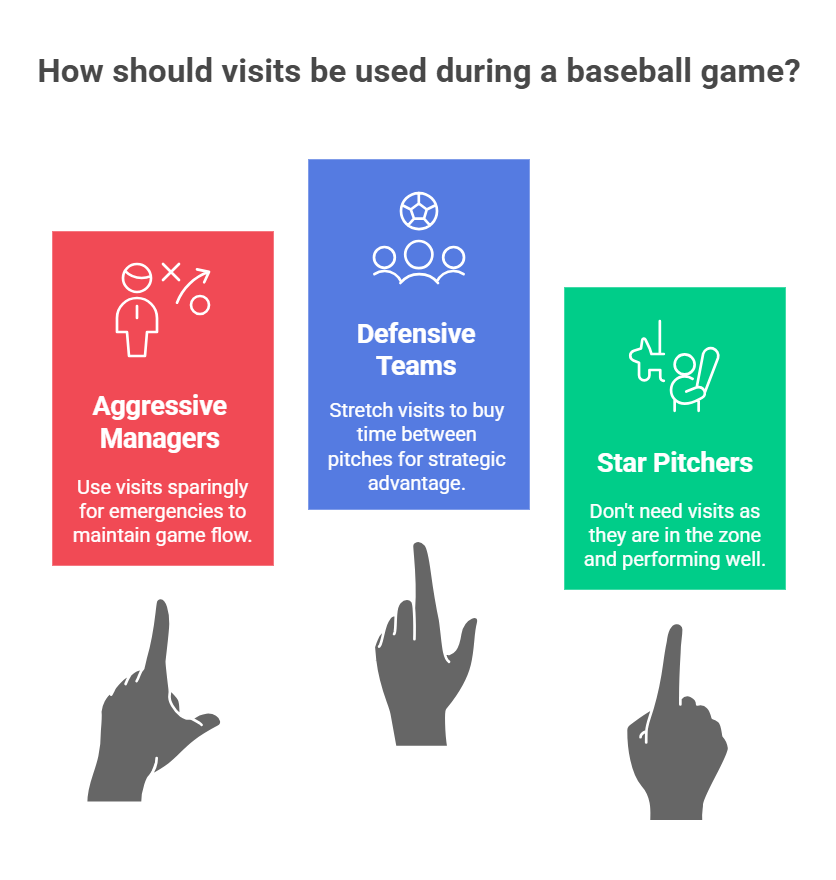
- Aggressive managers use visits sparingly (e.g., only for emergencies).
- Defensive teams stretch visits to buy time between pitches.
- Star pitchers often don’t need visits (they’re in the zone).
Real-Life Scenario: In a 2023 playoff game, the Dodgers’ manager ran out of MVRs in the 8th inning. With a tied score and bases loaded, he had to rush a reliever in without a warm-up chat. The result? A game-changing strikeout. Strategy over sentiment!
MVR in Baseball: Pros, Cons, and Fan Reactions
Like any rule, MVR has fans and critics:
Pros:
Faster games (avg. 2.5 hours now).
More strategic depth (think chess, not checkers).
Less downtime (commercial breaks align with natural pauses).
Cons:
Confusing for new fans (“Why can’t they just talk?”).
Injury risks (rushed decisions under MVR pressure).
Over-reliance on tech (pitch clocks, automated systems).
Fan Feedback:
- “Love it! Games are snappier.” (85% of surveyed fans).
- “Feels robotic. Where’s the human touch?” (15% dissenters).
Frequently Asked Questions
Q1: What happens if a team runs out of MVRs?
A: No more non-essential visits. For injuries or substitutions, umpires allow exceptions.
Q2: Does MVR apply to the minor leagues?
A: Yes, but slightly modified. Triple-A and Double-A teams start with 5 MVRs (more flexibility for development).
Q3: Can a pitcher request a mound visit?
A: Technically, no. It’s the manager/coach who initiates visits. Pitchers can signal struggles, but it’s not an automatic MVR
Q4: Has MVR reduced game times significantly?
A: Yes! Average game time dropped from 3:05 (2017) to 2:37 (2023). That’s 28 minutes shaved off!
CONCLUSION
In 2025, MVR baseball is not just a trend—it’s the new normal. Love it or hate it, this rule:
- Streamlines the game for modern audiences.
- Forces managers to think faster (like a chess grandmaster).
- Proves adaptability is key in sports.
